Emergency Gas Isolation Valves for Factories and Commercial Kitchens in Lancashire
If there's a gas leak, fire or equipment failure, your staff need to shut the gas off quickly. On many sites, the only valve is at a meter no one can find. Emergency gas isolation valves in Lancashire factories and kitchens make that simple and fast.
SMR Gas Maintenance Ltd installs and tests gas isolation and emergency shut-off systems across Preston, Lancashire and the North West. Gas Safe 562186.
Types of isolation
Manual isolation valves
Clearly labelled valves at the meter, where pipework enters the building, and at each area or appliance.
Emergency shut-off buttons
Push-button stops linked to a solenoid valve, placed near exits so staff can shut off gas without going near the hazard.
Automatic shut-off
Gas detection, fire alarm links and ventilation interlocks that close the gas valve automatically.
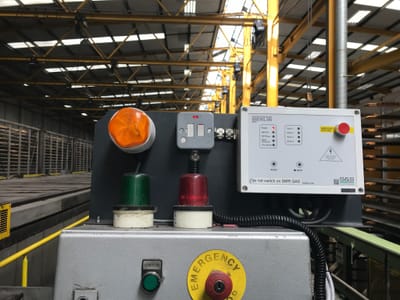
Where to fit them
• At the meter and the building entry point
• At the entrance to plant rooms and production areas
• In commercial kitchens, near exits
• On each major appliance or process line
Common problems we find
• Valves seized after years without use
• Valves hidden behind racking or stock
• No labels or wrong labels
• Emergency buttons disconnected after refits
• Staff unaware of where valves are
Testing and training
We check isolation valves and emergency systems as part of servicing and PPM. We also recommend showing key staff where the valves are and adding clear signage.
FAQ
Should every appliance have its own isolation valve?
Yes, each gas appliance should be able to be isolated individually for safe servicing and emergencies.
Can you add emergency stop buttons to an existing system?
Usually yes, by fitting a solenoid valve and control panel on the supply.
What should staff do if they smell gas?
Shut off the gas at the isolation valve if it's safe, avoid switches and flames, ventilate, evacuate if needed, and call the National Gas Emergency number.
Improve your site's gas isolation
Call 07882 898492 (24/7) or email andy@smrgasservices.co.uk to arrange a survey of your gas isolation and shut-off.